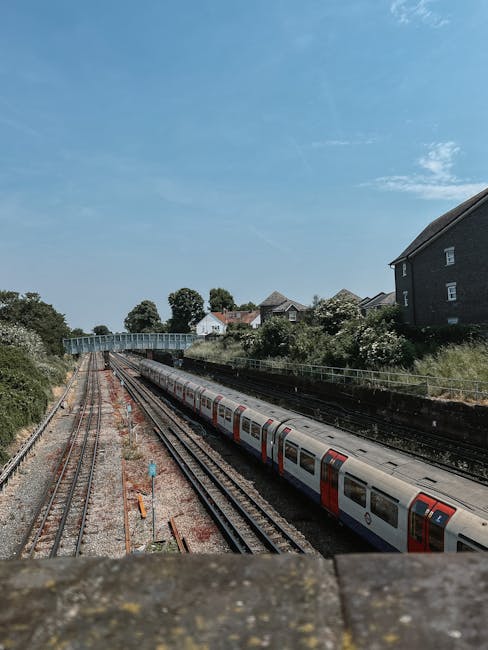
Finsbury Park station to Harringay removals route advice
If you are planning a move between Finsbury Park station and Harringay, the route may look short on a map, but moving day has a funny habit of turning "nearby" into "more complicated than expected". Deliveries stack up, side streets narrow, and one awkward parking decision can throw the whole schedule off. This guide gives you clear, practical Finsbury Park station to Harringay removals route advice so you can plan the journey properly, avoid common delays, and keep your move calm rather than chaotic.
We will cover route planning, timing, access issues, vehicle choice, packing, and the little details that tend to trip people up. If you are moving a flat, a family home, student belongings, or office equipment, the same basic rule applies: the better the route is thought through, the smoother the rest of the move becomes.
Why Finsbury Park station to Harringay removals route advice Matters
This route advice matters because the move is not just about distance. It is about access. Between Finsbury Park station and Harringay, you have a mix of busy main roads, residential streets, transport activity, and everyday local traffic that can become unpredictable at the worst moment. If your van arrives at the wrong time, or if the loading point is harder to reach than expected, everything slows down.
In moving work, time is rarely the only cost. There is also physical effort, stress, and the risk of damage to furniture or the property itself. A sofa carried an extra fifty metres because the vehicle could not stop close enough? That sounds minor until you are doing it with a stairwell, a fridge, and a damp March morning. Truth be told, that is where a lot of removals either run smoothly or start to wobble.
Good route advice helps you think ahead about:
- where the removal van can stop safely
- how long loading and unloading will really take
- whether any parts of the journey are better done outside peak traffic
- what size vehicle makes sense for your belongings
- how to reduce the chance of last-minute access problems
If your move involves more than a few boxes, a little planning goes a long way. For larger household moves, it can be worth looking at house removals or home moves support so the route plan, loading sequence, and vehicle choice all work together.
How Finsbury Park station to Harringay removals route advice Works
The basic process is straightforward. You plan the route from the collection point near Finsbury Park station to the destination in Harringay, then match that route to the reality of moving day. That means looking at more than just the quickest line between two places.
A practical removals route plan usually covers three layers:
- The driving route. This is the path the van takes between addresses, taking into account traffic and road layout.
- The access route. This is the last stretch on foot, from vehicle to front door, lift, stairwell, or loading bay.
- The load plan. This is how boxes, furniture, and fragile items are arranged so they can be moved efficiently once the van is parked.
On a short local move, people often assume the first part is all that matters. It is not. In many cases, the final ten metres are the real challenge. Are there narrow pavements, one-way sections, traffic at school-run time, or steps that make trolley use awkward? These things can change the whole tone of the day.
For smaller jobs, a man and van or man with a van setup is often enough. For bulkier loads, you may need a moving truck or a larger removal van. The key is not what sounds impressive. It is what fits the move.
Key Benefits and Practical Advantages
A well-planned removals route between Finsbury Park station and Harringay offers benefits that are easy to overlook until you compare them with a rushed move. The biggest advantage is certainty. You know where the vehicle can stop, how long the job will take, and which items need special handling.
Here are the main practical gains:
- Less wasted time. Fewer circles around the block, fewer awkward delays, and fewer "we'll just try this road" moments.
- Lower physical strain. When the van is parked sensibly, there is less carrying and less chance of strain or dropped items.
- Better protection for belongings. Shorter carries usually mean fewer bumps, scrapes, and chance encounters with kerbs, doors, and tight corners.
- Improved coordination. If family members, landlords, cleaners, or building managers are involved, a cleaner schedule helps everyone.
- More predictable costs. Efficient route planning can reduce overruns, especially where time-based pricing is involved.
There is also a small but important emotional benefit: you feel in control. That matters more than people admit. Moving is already noisy enough, with boxes rustling, drawers rattling, phones buzzing, and someone asking where the kettle went. A calm route plan helps everything feel a bit less like a scramble.
Expert summary: The best removals route is rarely the shortest on paper. It is the one that gives the van safe access, keeps the carrying distance manageable, and avoids the most avoidable delays.
Who This Is For and When It Makes Sense
This kind of route advice is useful for almost anyone moving between the two areas, but it is especially helpful in a few common situations.
- Flat movers. If you are leaving a third-floor flat with no lift, every access decision matters. Consider flat removals support if stairs and tight hallways are part of the picture.
- House movers. Families often have more furniture, more boxes, and more timing pressures. A bigger move benefits from stronger planning and sometimes a stronger team too. House removalists can help with the heavier side of that work.
- Students. Student moves can look simple, but they tend to happen on tight timelines and with odd-sized items. A quick route plan can save a lot of stress. See student removals if you are packing on a deadline.
- Office movers. When desks, monitors, files, and equipment are involved, access needs to be neat and reliable. For that, office removals and commercial moves are worth considering.
- People with fragile or specialist items. Pianos, large wardrobes, mirrors, and artwork need more than standard carry-and-go treatment. Piano removals are a good example of where route and access planning really matter.
If you are not sure whether your move is straightforward, that usually means it is worth treating it carefully. A route that looks easy on a phone map can still become awkward in real life once parking, steps, delivery windows, and traffic are added into the mix.
Step-by-Step Guidance
Here is a practical way to plan the move without overcomplicating it. No fancy jargon. Just a solid method you can actually use.
- Confirm both addresses and entrances. Note the exact building entrance, not just the street name. A rear entrance, side gate, or basement access can change the whole job.
- Check parking and stopping space. Can a van stop close enough to avoid long carries? If not, decide where the nearest workable stopping point is.
- Walk the route inside each property. Look for tight corners, low ceilings, shared hallways, and anything awkward for large furniture.
- Match the vehicle to the load. A few boxes may suit a smaller vehicle, but larger home contents might need a bigger van or truck. If you need flexibility, removal truck hire may be the better fit.
- Pack by access priority. Put the first-needed items near the top or in a clearly labelled group. Nobody wants to hunt for bedding at 10pm after the last lift has been made.
- Plan the travel time with margin. Leave room for traffic, lift delays, neighbours using the hallway, or a missing key. Yes, that missing key always appears eventually, usually after everyone has looked everywhere twice.
- Prepare for unloading. Decide where items will go before you arrive. A little label on each box can save you the sort of chaos that starts with "just put it anywhere" and ends with no one knowing where the mugs are.
For many households, using packing and boxes support or packing and unpacking services makes the route easier too, because items are stacked more securely and identified faster.
One useful habit: keep a small essentials bag with keys, chargers, water, medication, snacks, and documents. That sounds basic, but it saves a ridiculous amount of faffing around.
Expert Tips for Better Results
After enough local moves, you start to notice patterns. The same small mistakes keep turning up. So here are the things that make the biggest difference in practice.
- Book the loading window around traffic pressure. If possible, avoid the worst commuting times. A local route that is fine at 11:00 can feel completely different at 08:30 or school-run time.
- Use smaller loads for awkward streets. In some cases, two lighter trips are more sensible than forcing one oversized vehicle into a tight area.
- Protect delicate surfaces. Hallway walls, bannisters, and door frames are the usual casualties. Good wrapping and careful carrying are worth it.
- Separate heavy and fragile items. Don't bury glassware under books, or place lamp shades where they will get crushed. It's a simple thing, but it matters.
- Keep a realistic view of stairs. People often underestimate staircase effort. Then the sofa arrives and suddenly everyone goes quiet.
- Ask about insurance and safety. Any mover you trust should be able to explain how they handle risk. Reading the site's insurance and safety information is a sensible step before you commit.
Also, a small human note: if the move is happening in winter, think about wet pavements and darker afternoons. A wet cardboard box is nobody's friend. Not one bit.
Common Mistakes to Avoid
Most moving problems are not dramatic disasters. They are ordinary oversights that snowball. That's the annoying part. The good news is that they are easy to avoid once you know what to look for.
- Ignoring actual access conditions. A short distance does not mean easy access.
- Choosing a vehicle that is too small. Multiple trips can cost more time than a slightly larger vehicle would have done.
- Not checking where the van can legally and safely stop. Random stopping is risky, stressful, and often inefficient.
- Packing without a sequence. If boxes are loaded in no order, unloading becomes slow and frustrating.
- Assuming lift access is guaranteed. Buildings change access rules, and lifts can be out of service. It happens.
- Leaving fragile items loose. Glass and electronics need proper wrapping, not wishful thinking.
- Forgetting destination constraints. A great collection plan can still fail if the Harringay property has narrow stairs or limited frontage.
If you want to reduce risk further, compare moving options before the day arrives. Some moves suit a simple removals package; others are better served by more hands, more van space, or storage support if the destination is not ready yet.
Tools, Resources and Recommendations
You do not need specialist software to move well, but a few simple tools can make route planning easier and much less guessy. Use what helps, and ignore the rest.
- A basic route map. Check the streets you will actually use, not just the broad area between postcodes.
- Phone photos. Pictures of stairs, entrances, parking bays, and awkward furniture are incredibly helpful when discussing the job.
- Labels and marker pens. Keep them visible and simple: kitchen, bedroom, fragile, first night, office kit.
- Furniture measurements. Width, height, and any non-removable parts matter more than people think.
- Storage planning. If there is a gap between leaving one place and settling into another, storage can be a practical buffer.
- Removal van options. If you are not sure which vehicle size suits your move, compare removal van and removal truck hire needs early.
If you are moving items on their own, like a sofa, wardrobe, or exercise bike, furniture removals or even a furniture pick up service may be more efficient than arranging a full move. That can be especially useful when the route is short but the item is awkward.
Law, Compliance, Standards and Best Practice
Route advice for removals is not just about convenience. It should also respect normal UK moving-day expectations around safety, parking, and responsible transport. You do not need to be a transport expert, but you do want to work sensibly.
In practice, that means:
- using safe loading methods so items do not shift in transit
- avoiding unsafe stopping or blocking access routes
- making sure the mover's insurance and operating practices are clear
- treating shared entrances, stairwells, and public footpaths with care
- checking any building rules that affect access, lift use, or parking
If the move is commercial rather than domestic, the same principles apply but the coordination is usually tighter. For offices, keeping equipment safe and keeping disruption down is the priority, and that is where office relocation services can be especially useful.
You may also want to review provider policies on payments, terms, sustainability, and complaints before booking. Those pages are not glamorous, but they matter. For reference, take a look at payment and security, terms and conditions, recycling and sustainability, and complaints procedure if you want to understand how the service is run.
That kind of due diligence sounds a bit formal, I know. But it protects you when the day gets busy and everyone is trying to move quickly.
Options, Methods, or Comparison Table
There is no single best way to handle a move from Finsbury Park station to Harringay. The right method depends on the size of the load, the access at both ends, and how much help you need.
| Option | Best for | Strengths | Watch-outs |
|---|---|---|---|
| Man and van | Small flat moves, a few bulky items, quick local jobs | Flexible, usually efficient for short routes, simpler coordination | May be tight on space for full household contents |
| Removal van | Medium-sized moves or mixed loads | Good balance of capacity and manoeuvrability | May still require careful route and parking planning |
| Moving truck | Larger moves, lots of furniture, business relocations | More volume, fewer trips, better for heavier schedules | Harder to position on tight streets |
| Full removals service | Families, complex moves, fragile or high-value items | More support, better handling, less stress on the day | Needs clearer planning and may cost more than self-managed help |
If you are deciding between methods, think in terms of total effort rather than just vehicle size. A smaller setup may look cheaper at first, but if it means multiple trips, more carrying, or extra time in traffic, the savings can disappear fast.
Case Study or Real-World Example
Here is a realistic example based on the kind of move people often make on this route.
A tenant leaves a two-bedroom flat near Finsbury Park station and moves into a maisonette in Harringay. The first property is on an upper floor with a shared stairwell. The second has slightly better access, but the front space is tight and the road is busy for much of the morning.
At first glance, the move seems simple. It is local. It is only a few miles. Surely it will be quick? But once the details are checked, a better plan emerges:
- load the van outside the quieter time window
- use a vehicle with enough room for beds, a sofa, and boxes in one controlled trip
- wrap fragile kitchen items separately before moving day
- keep a small essentials bag accessible
- assign someone to watch the van while the other person brings items down, so nothing gets left on the pavement
The move goes more smoothly because the team has thought about the route as a moving system, not just a drive. That's the whole point. It is not fancy. It is just organised.
For a move like this, some people combine home moves support with packing and unpacking services, especially if they are juggling work, children, or a strict handover deadline. That can take a surprising amount of pressure off.
Practical Checklist
Use this before moving day. It keeps the job grounded and helps catch the boring-but-important details.
- Confirm both full addresses and preferred entrances
- Check where the van can stop safely near each property
- Measure large furniture and awkward items
- Decide whether you need a van, truck, or full removals support
- Label boxes clearly by room and priority
- Keep fragile items packed separately and well cushioned
- Prepare an essentials bag with keys, documents, water, and chargers
- Plan for stairs, lifts, and narrow hallways
- Allow extra time for traffic and access delays
- Check insurance, safety, payment, and terms before booking
- Arrange storage if the new property will not be ready immediately
- Have a clear unloading plan for the destination
One quick extra tip: keep a roll of tape and a marker pen in your coat pocket. Sounds trivial, but you will use them. Probably more than once.
Get a free quote today and see how much you can save.
Conclusion
Finsbury Park station to Harringay removals route advice is really about making a local move feel predictable. Once you look at access, vehicle size, parking, timing, and packing together, the whole job becomes easier to manage. Less panic. Less wasted effort. Less chance of standing in a hallway wondering why the wardrobe looked smaller in the shop than it does now.
Whether you are moving a flat, a family home, a few heavy items, or a business setup, the best outcome comes from calm preparation and sensible choices. Keep the route plan simple, check the access details carefully, and use the support level that matches the move rather than the one that sounds cheapest at a glance.
If you do that, the move becomes what it should have been all along: a practical step into the next part of life, not a day that takes over the whole week.
Frequently Asked Questions
What is the best route advice for a move from Finsbury Park station to Harringay?
The best advice is to plan for access, not just distance. Check where the van can stop, how long carrying will take, and whether traffic or road layout may delay loading and unloading.
How long does a local removal between Finsbury Park station and Harringay usually take?
That depends on the size of the move, parking access, stairs, and how well packed everything is. A short local journey can still take a while if loading is awkward or the property has poor access.
Should I use a man and van or a full removals service?
A man and van setup often suits smaller moves or single-item transport. A fuller removals service makes more sense for larger households, fragile items, or moves where you want more hands on the day.
What if parking is difficult near either property?
Then you need to plan the stop point in advance and allow extra carrying time. If possible, choose a vehicle size that can be positioned more easily in tighter streets.
Is route planning really necessary for a short move?
Yes, because short does not always mean simple. In local London moves, the access route and parking can matter more than the actual drive.
How can I avoid damage to furniture on this route?
Wrap items properly, separate fragile goods, and keep the carrying distance short. Good packing and careful loading matter a lot, especially for tight stairwells and older buildings.
What should I pack first for a moving day like this?
Pack non-essential items first and keep essentials accessible. Make sure bedding, chargers, keys, toiletries, and any needed documents are easy to reach when you arrive.
Do I need storage if my new place is not ready yet?
If there is a gap between moving out and moving in, storage can be a sensible temporary solution. It is especially useful if timing is tight or access at the destination is delayed.
What kind of move needs specialist help?
Heavy, fragile, or awkward items such as pianos, large wardrobes, and some office equipment usually benefit from specialist handling. The same goes for moves with lots of stairs or restricted access.
How do I know if a mover is trustworthy?
Look for clear information on safety, insurance, payment, terms, and complaints handling. A professional service should be transparent and easy to understand before you book.
Can I combine packing help with removals?
Yes, and for many people that is the most sensible option. Packing support reduces stress, improves loading efficiency, and lowers the chance of breakages on the day.
What is the biggest mistake people make on local removals?
Underestimating access. People focus on the drive and forget the stairs, hallway turns, parking limits, and loading time. That is usually where delays start.