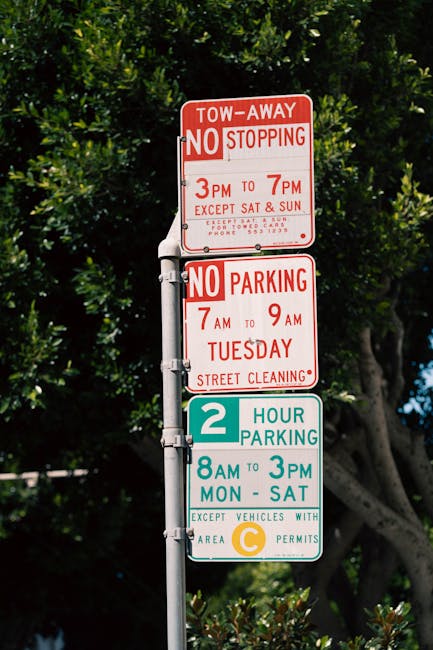
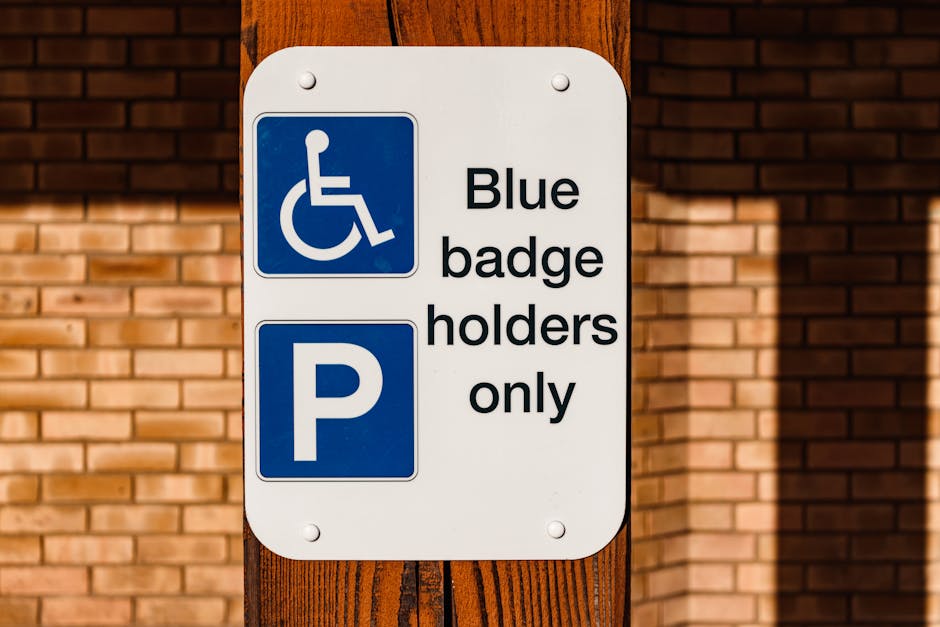
Harringay council permit rules for parking during removals
If you are moving house or office in Harringay, parking can become the part that causes the most stress. The van is booked, the boxes are packed, and then the obvious question lands: where will the vehicle stop without causing trouble? That is exactly where Harringay council permit rules for parking during removals come in. Get them right and the day feels orderly. Get them wrong and you can end up with delays, fines, grumpy neighbours, or a team carrying a wardrobe half a street further than it should be.
This guide explains the practical side of parking permissions during removals, how council-controlled bays and suspensions usually work in London-style streets, what to check before moving day, and how to avoid the common mistakes people make when they are already under pressure. Let's face it, nobody wants to be reading parking signs with a sofa on the pavement.
Table of Contents
- Why Harringay council permit rules for parking during removals matters
- How Harringay council permit rules for parking during removals works
- Key benefits and practical advantages
- Who this is for and when it makes sense
- Step-by-step guidance
- Expert tips for better results
- Common mistakes to avoid
- Tools, resources and recommendations
- Law, compliance, standards, or best practice
- Options, methods, or comparison table
- Case study or real-world example
- Practical checklist
- Conclusion
- Frequently asked questions
Why Harringay council permit rules for parking during removals Matters
Parking is not just a convenience issue during a move. In a busy area like Harringay, it can affect timing, safety, access to the property, and whether the crew can unload efficiently. A removal van that can park directly outside the property saves repeated trips, reduces lifting distance, and cuts the chance of damage. That sounds simple, but in real life it often depends on whether the street is controlled by permits, pay-and-display bays, loading restrictions, or resident-only rules.
For many moves, the permit question is the difference between a smooth handover and a morning full of workarounds. You may have narrow roads, shared drives, double parking pressure, school-time congestion, or a row of parked cars that leaves barely room for a wheelbarrow, never mind a van. Even if the move itself is well organised, parking can bottleneck the whole thing.
There is also the neighbour factor. A removal vehicle blocking driveways or sitting in a restricted bay can lead to complaints. In some streets, that can trigger avoidable tension before you have even finished carrying the kettle out. To be fair, most neighbours understand moving day. They just appreciate a bit of forethought.
For homeowners and tenants alike, knowing the rules is part of moving responsibly. It shows you have planned ahead, reduces risk, and helps you keep the day on schedule. If your move involves a fuller relocation plan, it is worth reading about home moves and house removals so the parking plan fits the rest of the job, not just the last-minute scramble.
How Harringay council permit rules for parking during removals Works
In practical terms, council parking permission for removals usually falls into one of three categories: using an existing legal loading space, arranging a permit or dispensation where available, or requesting a temporary parking suspension for the move. The exact mechanism depends on the street layout and the local parking controls in place.
Here is the plain-English version. If the area has unrestricted parking, you may not need a formal permit, but you still need to check for yellow lines, kerb markings, access points, and time restrictions. If the street is permit-controlled, you may need authorisation for a removals vehicle to stop nearby. If the only practical place is a bay that is usually reserved, a suspension or special arrangement may be needed.
Removals in terraced streets and flats are where this matters most. A large van may need to park across from the building entrance, or a smaller vehicle may be a better fit if the street is tight. If you are moving from a top-floor flat, parking even a few metres closer can make a noticeable difference. People often underestimate how much time is lost carrying mattresses, boxes, and awkward furniture around parked cars. Then the rain starts. Classic London.
At the planning stage, think about the vehicle type as well as the parking restriction. A man and van setup may suit smaller moves where speed and flexibility matter, while larger loads may be better handled with a removal van or even a moving truck. The bigger the vehicle, the more important it becomes to understand where it can legally wait, load, or unload.
It also helps to remember that council permission is only one part of the picture. Private estates, blocks of flats, or managed developments may have their own rules as well. So even if the street itself looks fine, the access route may still have restrictions. Small detail, big impact.
Key Benefits and Practical Advantages
When the parking side is handled properly, the benefits show up quickly on moving day. The most obvious one is time saved, but there is more to it than that. Good parking control improves the whole rhythm of the move, and you feel it in a hundred small ways.
- Less carrying distance: fewer steps between the property and the vehicle means faster loading and less strain.
- Lower risk of damage: furniture, walls, and door frames are less likely to suffer when items are moved efficiently.
- Fewer delays: the crew can work without constantly shuffling vehicles or waiting for a legal space.
- Reduced stress: everyone knows where to park and who is responsible for what.
- Better neighbour relations: you minimise inconvenience, which matters more than people sometimes admit.
- Cleaner compliance: you avoid accidental parking issues that can sour the day.
There is also a commercial angle if you are moving a business. A parking mistake can disrupt staff access, deliveries, and customer service. For a shop, studio, or office, the losses from a delayed unload can ripple through the day. That is why office removals and commercial moves usually need a firmer plan than a simple domestic move. More moving parts, more to coordinate.
Expert summary: the safest approach is to treat parking as a moving-day task, not an afterthought. Once you know the legal stopping point for the vehicle, the rest of the move becomes much easier to stage, carry, and finish on time.
Who This Is For and When It Makes Sense
This topic matters for anyone moving in or out of Harringay where street parking is controlled, limited, or heavily used. That includes tenants, homeowners, landlords arranging end-of-tenancy access, and businesses relocating equipment or stock. It also matters if your removal vehicle is larger than a standard car, because the legal space you need is often not the same as the space you can physically squeeze into.
It makes the most sense to investigate permit rules early if any of the following apply:
- You are moving from a terraced street with limited kerb space.
- Your property is on or near a permit bay, loading bay, or yellow-lined road.
- You expect a long unloading time because there are stairs, lifts, or awkward furniture.
- You are using a larger removals vehicle.
- Your move is happening during school runs, rush hour, or a busy weekend.
- There is a nearby event, roadworks, or another reason the road may be busy.
Students moving in and out of shared housing often need this advice too. The vehicle might be small, but the timing is rarely forgiving. A block of students all moving out on the same day can turn a quiet street into a queue of hatchbacks, boxes, and exhausted people. The parking issue is different, but the principle is the same.
If your move is very last minute, you may need to balance speed against perfection. In that case, services like same-day removals can help, but only if the parking plan is still realistic. Fast moves still need legal parking. If anything, they need it more.
Step-by-Step Guidance
Here is a practical way to approach Harringay council permit rules for parking during removals without overcomplicating things.
- Check the street outside both properties. Look for permit bays, shared-use bays, yellow lines, loading-only periods, suspension notices, and any physical obstacles like bollards or low trees.
- Estimate the vehicle size. A small van, medium removal van, and larger truck all have different parking needs. Bigger is not always better if the road is tight.
- Decide whether the move needs a formal parking arrangement. If the vehicle must stop in a restricted bay or occupy space for several hours, assume a permit or similar approval may be needed.
- Build the parking plan into the move booking. Tell the removal team about access, street width, and any awkward corners or one-way systems.
- Prepare documents and details early. You may need vehicle registration, move date, times, and property information. Having these ready saves time later.
- Confirm any building or estate rules. Flats and managed properties can add their own access conditions. Lifts, service entrances, and loading zones matter.
- Re-check the day before. Roads change. Temporary restrictions appear. A location that was fine on Monday may be different on Friday.
- Leave a fallback option. If the nearest legal space is taken, know where the next-best loading point is and how far the crew must carry items.
A good mover will also help you think about packing order, because parking and loading are linked. If the van is ten metres away instead of one metre away, you want the boxes arranged so the essentials come out first. Services such as packing and boxes and packing and unpacking services can make that staging a lot calmer. A tidy load and a legal parking spot. That is the dream, really.
Expert Tips for Better Results
After a lot of moving-day problem solving, a few practical habits keep showing up as the real difference-makers.
- Measure the parking reality, not just the map. A street can look easy online and still be awful in person because of bends, trees, or parked vehicles.
- Ask how long loading will actually take. A two-bedroom flat on the third floor is not the same as a ground-floor maisonette, even if the addresses are close together.
- Choose the vehicle to suit the street. Sometimes a slightly smaller van is the smarter call. Fewer problems, fewer manoeuvres, fewer nerves.
- Protect your loading zone. If a legal arrangement has been made, make sure the driver knows exactly where to stop and whether any cones or markings are allowed.
- Keep the heaviest items accessible. If a sofa or wardrobe is hidden under lighter boxes, you will waste time reshuffling things in the street.
- Plan for weather. Wet pavements, poor visibility, and slippery steps can slow loading more than people expect. A drizzle at 8 a.m. can change the whole mood.
One small but important tip: communicate the parking plan in plain language. "Park near the front" is not enough. "Use the legal space outside number 14, then walk through the side gate" is much better. Simple, clear, boringly effective. Exactly what you want on moving day.
If you are moving delicate or awkward items, the parking plan matters even more. Piano moves, for example, need both careful handling and a sensible stopping point close to the property. See piano removals if your move includes something heavy, sentimental, and slightly terrifying to carry.
Common Mistakes to Avoid
A lot of moving stress comes from the same handful of avoidable mistakes. Most are not dramatic on their own, but together they can turn a manageable move into a messy one.
- Leaving parking checks until the day before. By then, you may have limited options.
- Assuming a van can stop anywhere "just for a minute." A minute can still be enough for a parking ticket or a complaint.
- Not telling the mover about street restrictions. A good team can adapt, but only if they know the issue exists.
- Ignoring flats, courtyards, or rear access. The front of the building is not always the best loading point.
- Choosing the wrong vehicle size. Too large and it becomes hard to place legally. Too small and you need extra trips.
- Forgetting about return loading. Unloading at one property and reloading at another may require a different arrangement entirely.
Another common error is thinking the parking rule is only the driver's problem. It is not. The whole move benefits when the customer, organiser, and mover are on the same page. That shared responsibility is a quiet little thing, but it makes a big difference.
If you are comparing providers, look beyond the headline price. A move that includes sensible parking planning, clear communication, and proper care is often better value than a cheaper quote that glosses over logistics. You can review the general approach to pricing and quotes and the business standards behind the company's insurance and safety approach if you want more peace of mind before booking.
Tools, Resources and Recommendations
You do not need a complicated toolkit to manage parking for removals, but a few practical resources help you stay organised.
- Property notes: write down access details, stair count, lift size, and any key timings.
- Vehicle details: keep the registration, vehicle size, and driver contact details together.
- Photo evidence: take quick pictures of the street, kerb, and parking signs before moving day.
- Simple timer or schedule: useful for staged loading if access is tight.
- Labels for boxes: especially if items may need to be carried a little farther than planned.
For readers wanting a broader moving plan, the most useful supporting pages are the ones that help with the move itself, not just the parking. That might be removal services, removals, or, for smaller and more flexible jobs, man with van. Choose based on access, item volume, and how much street-side loading you will need.
Storage can also be a useful pressure valve if parking, timing, or access makes a same-day full move difficult. It is not glamorous, but it can take the edge off a tricky relocation. Truth be told, sometimes the calmest move is the one split into two smaller steps.
Law, Compliance, Standards, or Best Practice
This area is best handled carefully. Parking controls, loading restrictions, and permit arrangements are governed by local rules, and those rules can change. The safest approach is to check the relevant council guidance and the signs on the street before the vehicle arrives. If there is any mismatch between what you expected and what is marked on the road, the sign usually wins. Annoying, but that is how it goes.
For removals work, best practice in the UK usually means:
- parking only where the vehicle is allowed to stop legally;
- planning for loading and unloading windows rather than relying on luck;
- avoiding blocked driveways, crossings, and emergency access routes;
- making sure the driver understands any restrictions at both ends of the move;
- keeping the move safe for pedestrians, neighbours, and the crew.
Where a permit, suspension, or special arrangement is needed, apply or plan early enough to avoid last-minute stress. If you are unsure, ask for guidance before moving day rather than after the van is already circling the block. That one call can save a lot of friction.
For business or household moves alike, you should also think about general duty of care. Safe lifting, sensible access routes, and clear communication all matter. A well-run move is not just about speed. It is about avoiding preventable risk. That is why many people prefer a company that can combine logistics with practical reassurance, especially for flat removals or more complex office relocation services.
Options, Methods, or Comparison Table
Different moves call for different parking approaches. The right choice depends on the street, the vehicle, and how long you need the space for. This table gives a simple comparison.
| Option | Best for | Advantages | Limitations |
|---|---|---|---|
| Standard legal parking space | Short, straightforward moves in less restricted streets | No extra arrangement needed; simple and quick | Not always close enough; may be taken by other vehicles |
| Permit or dispensation | Controlled streets with residential parking rules | More reliable access and fewer surprises | May require planning and approval in advance |
| Temporary suspension | Moves needing reserved curb space for a set period | Helpful for large loads and close loading access | Needs careful timing and may not suit every street |
| Smaller vehicle strategy | Tight roads, flats, or difficult access | Easier to position and less likely to block traffic | May require more trips or a smarter packing plan |
In many Harringay moves, the smartest option is not the biggest truck or the most formal arrangement. It is the option that best matches the road. Simple as that. A smaller vehicle parked legally and close by often beats a larger one stuck three streets away.
Case Study or Real-World Example
Imagine a couple moving from a first-floor flat on a narrow Harringay street into a house not far away. On paper, it is a short move. In practice, the street has controlled parking on one side, a row of cars on the other, and not much room to spare. They originally thought the removal van could stop directly outside, but on a quick walk-through they realised that would be optimistic at best.
So they adjusted the plan. They booked a vehicle that suited the access, checked the parking restrictions ahead of time, and staged the packing so the heaviest items were ready first. The mover parked in the nearest legal loading space and the team kept a steady rhythm: boxes first, furniture next, fragile items last. No frantic shuffling. No one trying to squeeze past a wing mirror with a dining chair. Lovely, honestly.
The interesting part is that the actual removal went faster because the parking was sorted early. Once the vehicle was in the right place, the crew could work properly and the couple could focus on the new house, not the kerb outside the old one. That is the quiet win with parking planning: it removes friction you would otherwise feel all day.
Practical Checklist
Use this checklist before moving day. It is simple, but it catches most of the issues that cause delays.
- Check parking signs at both the old and new property.
- Confirm whether the street is permit-controlled or restricted.
- Decide if the removal vehicle needs to park directly outside.
- Match the vehicle size to the street width and loading space.
- Ask whether the building or estate has separate access rules.
- Prepare the vehicle registration and move timing details if needed.
- Plan where heavy items will be loaded from first.
- Tell the driver about steps, lifts, gates, or rear access.
- Have a backup loading spot in mind in case the first one is occupied.
- Recheck conditions the day before and on the morning of the move.
Quick takeaway: a 10-minute parking check can save an hour of hassle. Sometimes more.
Get a free quote today and see how much you can save.
Conclusion
Harringay council permit rules for parking during removals are not just red tape. They are part of making the move work in the real world. When you understand the street, choose the right vehicle, and plan for legal access, the whole process becomes calmer and much more efficient. That is true whether you are moving a studio flat, a family home, or a workplace that has somehow accumulated six filing cabinets and a suspicious number of cables.
The best moves are rarely the ones with the fanciest equipment. They are the ones where access, timing, and parking have been thought through properly. Do that, and you give yourself a far better chance of a clean, steady move without the usual street-side drama.
If you are still planning the wider move, pages like packing and unpacking services, storage, and student removals can help shape the rest of the job around the parking plan rather than against it. That is usually the smarter way round.
And once the van is gone and the last box is in the right room, you will be glad you took the time to get the little things right. A small bit of planning has a habit of feeling very big later.
Frequently Asked Questions
Do I need a permit for removals parking in Harringay?
Not always. It depends on the street restrictions, the type of bay, and how long the removals vehicle needs to stop. If the road is controlled or the van needs to occupy a reserved space, you may need a permit, dispensation, or a temporary suspension.
Can a removal van park outside my house if the street is permit-only?
Only if the vehicle is legally allowed to stop there under the local parking rules. Permit-only streets often require advance planning, and sometimes a specific arrangement is needed for loading and unloading.
How far in advance should I check Harringay parking rules before moving day?
As early as possible. A few days ahead is better than the night before, and for a busy street, earlier still. Parking arrangements can take time, and even when no formal permission is needed, it helps to know the restrictions before booking the vehicle.
What happens if the parking space I planned to use is taken?
Have a backup legal loading point in mind. If the first spot is unavailable, the mover may need to use the next best space and carry items a bit farther. It is inconvenient, yes, but manageable if you have planned for it.
Is a smaller van better for tight Harringay streets?
Often, yes. A smaller vehicle can be easier to position legally and may reduce the chance of blocking traffic. The trade-off is that you might need more than one trip, so the decision depends on the volume of items.
Do flats need special parking planning more than houses?
Usually they do. Flats often mean shared entrances, stairs, lift access, and less direct street frontage. That can make parking and carrying distance more important, especially during busy times.
Can I rely on my mover to sort the parking permission?
Some movers help with the logistics, but you should never assume they will handle every part automatically. It is best to clarify who is responsible for the parking check, what information is needed, and whether any approval must be arranged in advance.
What if I am moving at the last minute?
Last-minute moves can still work, but parking is the part most likely to go wrong if rushed. If you need speed, a flexible service such as same-day removals can help, but the street restrictions still need to be workable.
Do I need to worry about parking for office removals too?
Yes, and often even more. Offices may have tighter time windows, loading bay rules, or shared access with other businesses. Parking issues can affect staff, deliveries, and the whole relocation schedule.
What documents or details are usually useful for a parking request?
Vehicle registration, move date, times, property address, and a short description of the access needs are commonly useful. It is also sensible to have the removal company details to hand if the move is being arranged through a professional team.
What is the biggest mistake people make with parking during removals?
Assuming it will sort itself out on the day. It rarely does. A quick parking plan, a realistic vehicle choice, and a clear understanding of the restrictions usually prevent the kind of delay that everyone remembers for the wrong reasons.
How do I make the move easier if the van cannot park right outside?
Pack in a way that keeps the essentials accessible, use strong labels, and stage the heaviest items sensibly. If the carry distance will be longer, think about whether packing and boxes or even short-term storage could make the day easier.